THE BREIF
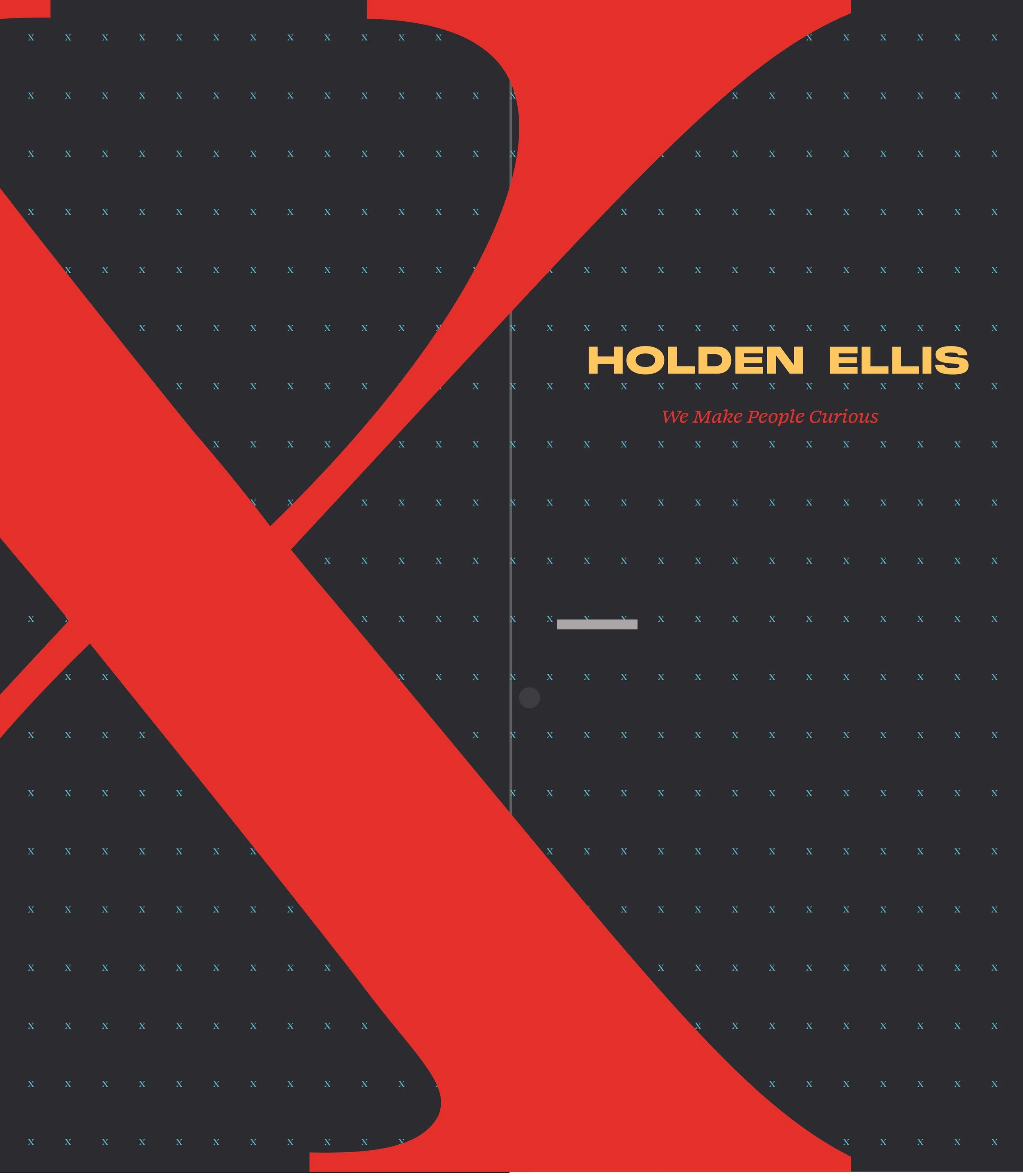
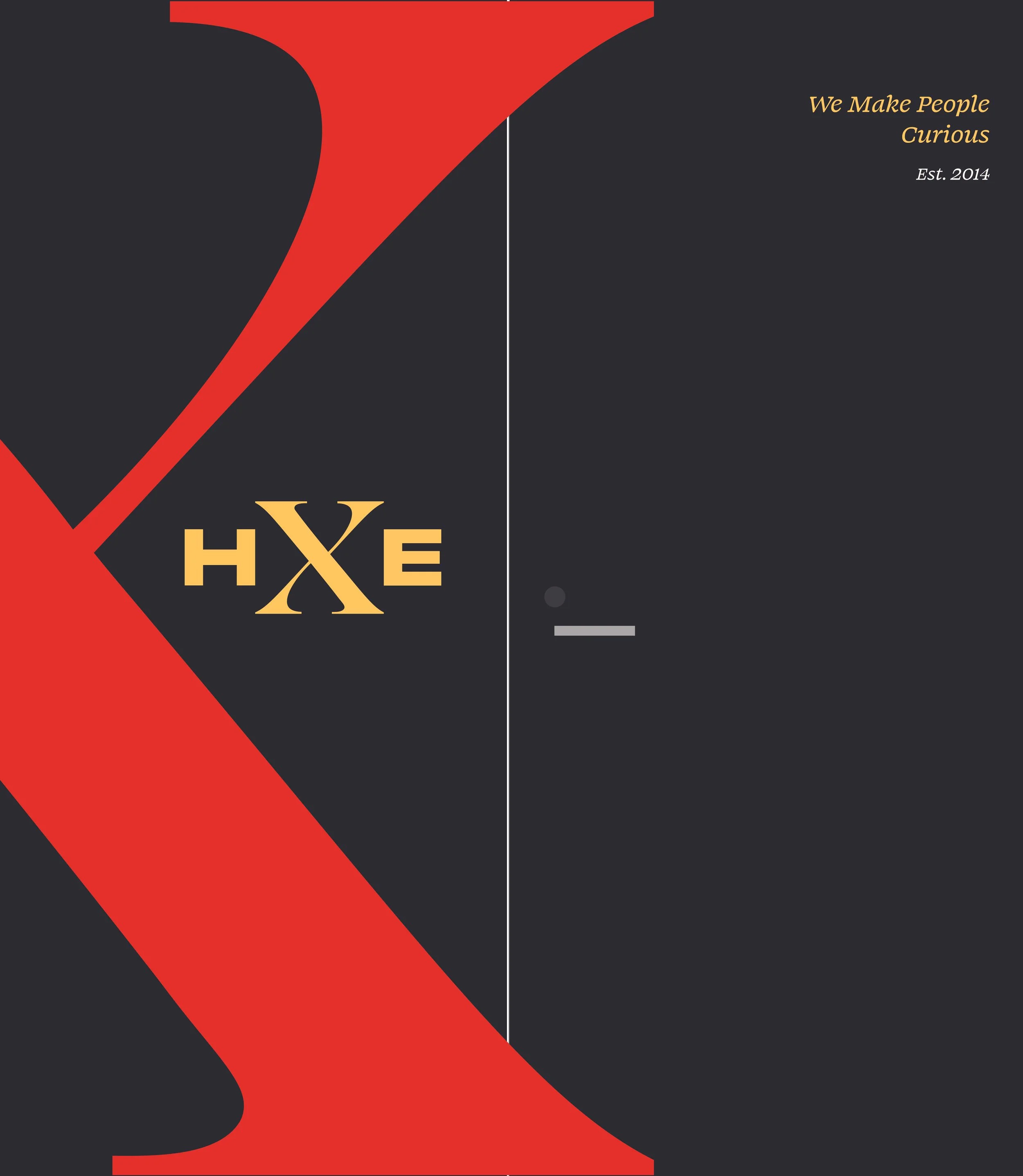
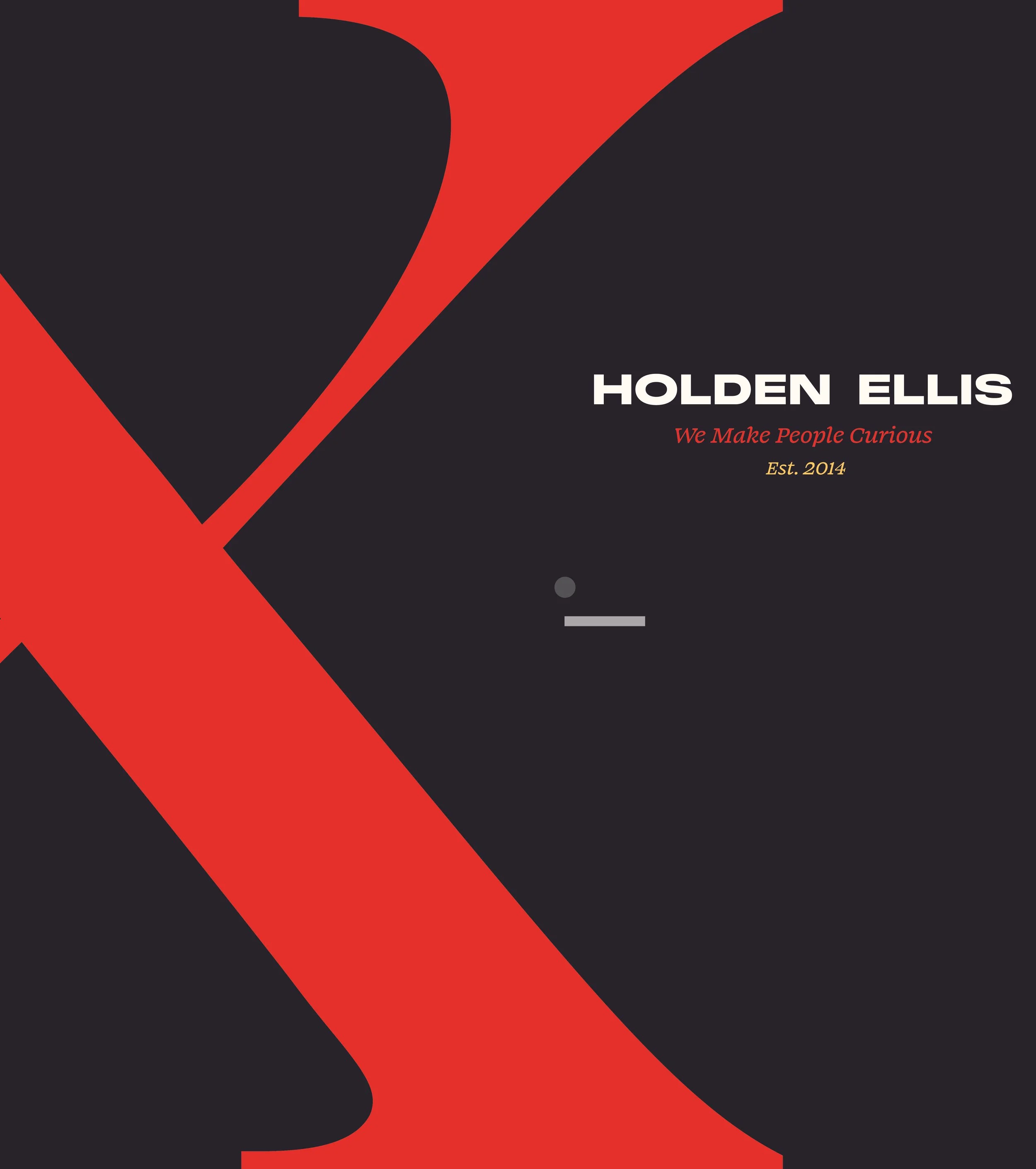
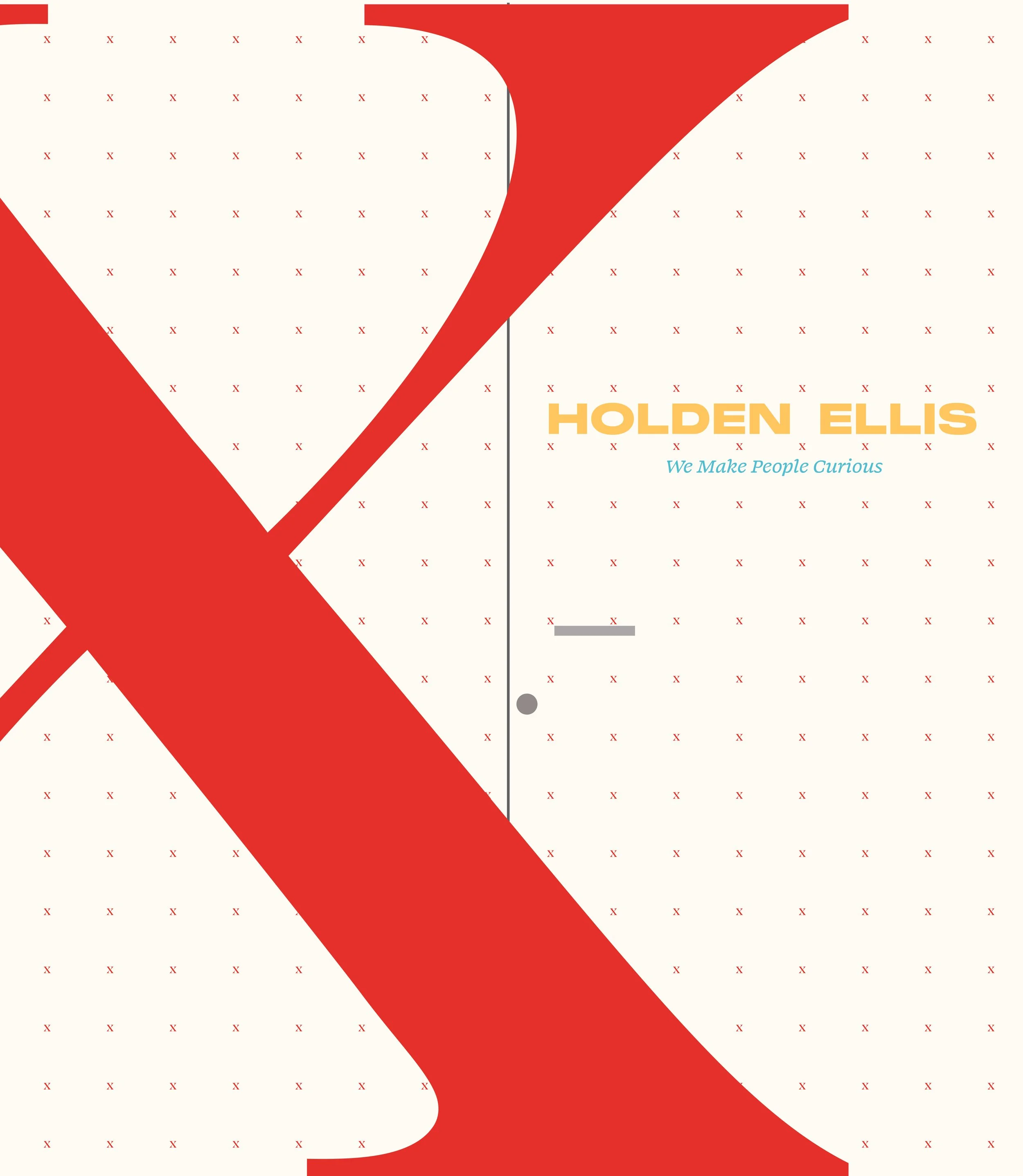
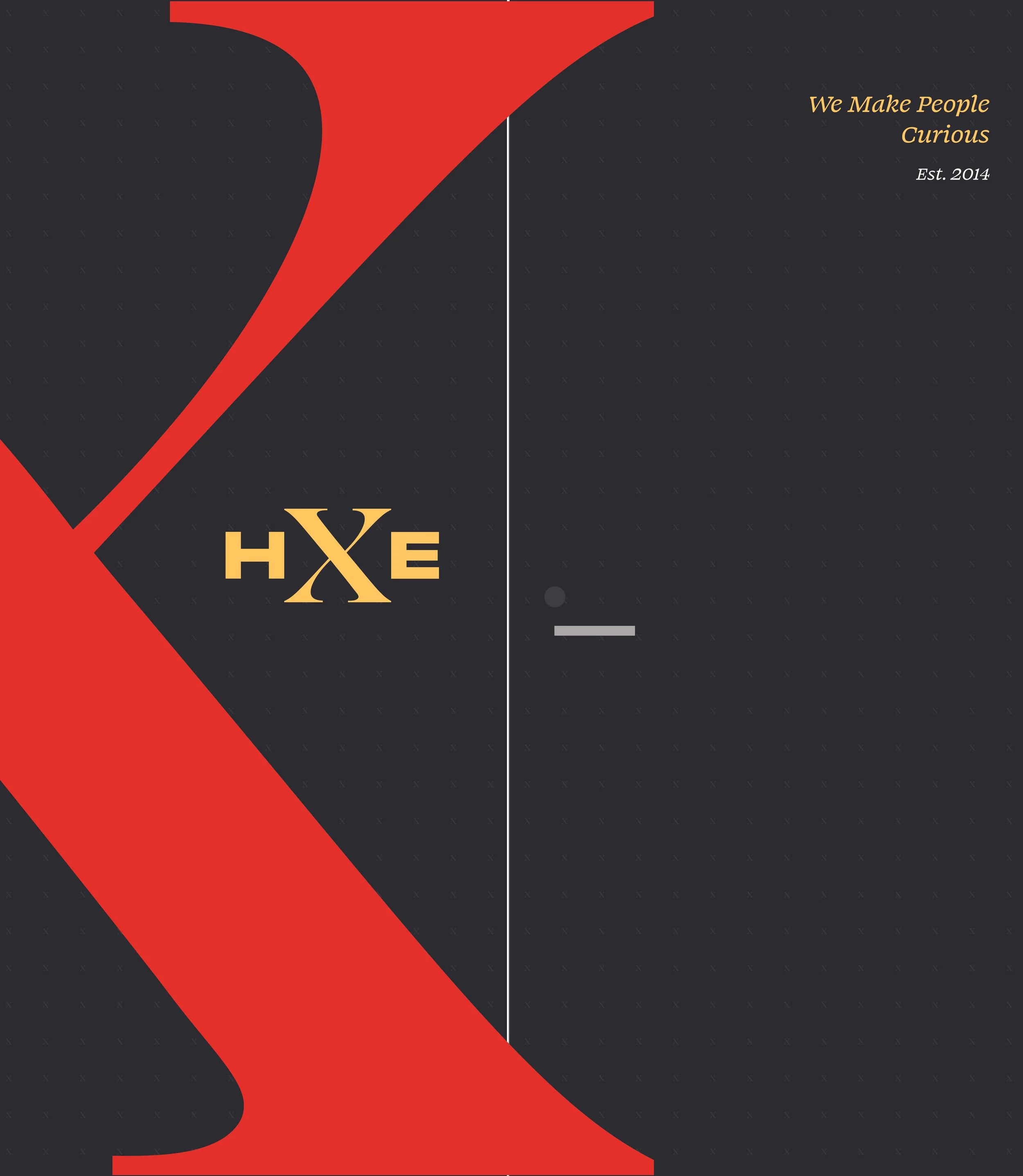
My first project at Holden Ellis was designing a door for the office — a deceptively simple brief that turned into one of the most important lessons of my early design career.
DELIVERABLES
Final door design layout, multiple iteration rounds documenting the design process and team feedback response.
THE CONCEPT
I came in ready to make something impressive. My first few concepts were expressive, layered, and clearly designed to showcase what I could do. They went through several rounds of team review, and each time the feedback pointed the same direction: pull back. Let the brand speak.
That process — of setting aside what I wanted to make and genuinely serving an established identity — is something every designer has to learn, and I'm glad I learned it early. The final design is clean, purposeful, and built from the existing style guide. Negative space does the work. The brand makes the statement.
What this project taught me isn't something you can learn in a classroom: the difference between designing for yourself and designing for a client. They require completely different creative postures, and knowing when to shift between them is one of the most important skills in professional practice.
KEY DESIGN DECISIONS
BRAND
Transitioning from expressing personal taste to genuinely serving an established visual identity — a professional skill, not just a design one.
SPACE
The final design uses restraint to let the brand breathe — a result that came from iteration, not instinct.
FOCUS
Every element was derived from and validated against the existing brand documentation.
ITERATION
Multiple rounds of feedback shaped the outcome — the willingness to revise is as much a design skill as the initial concept.